Using Glean AI to Better Understand My Role in Cybersecurity

As I continue building my cybersecurity career, I’ve been looking for ways to better organize and understand the work I already do on a daily basis. Recently, I used Glean AI software to help generate a CSV spreadsheet that mapped out my role responsibilities, measurable tasks, daily operational work, and security-focused functions using internal work data combined with information I personally provided.
What I found interesting about this process was seeing how much of my day-to-day work already aligns with cybersecurity, governance, and audit-related responsibilities — even when my job title may not explicitly say “Security Analyst” or “IT Auditor.” By organizing my responsibilities into a structured spreadsheet, I was able to clearly identify patterns around:
- Access governance and identity management
- Incident handling and escalation support
- Documentation and audit readiness
- Policy enforcement and compliance alignment
- Risk reduction through operational controls

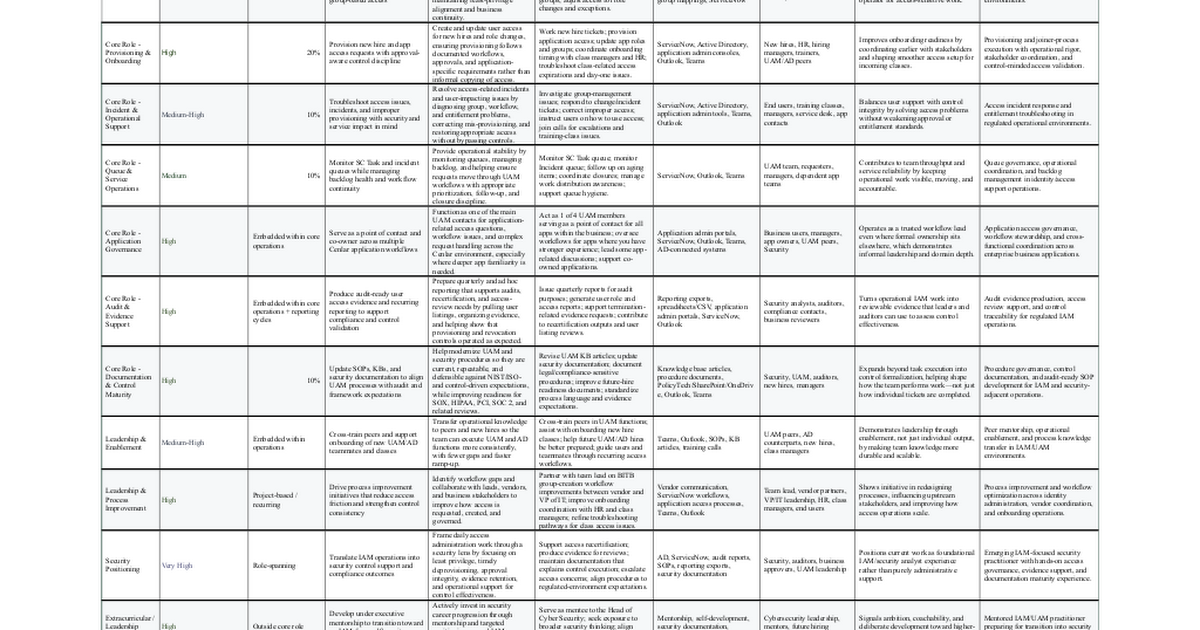
Using AI in this way helped me step back and view my work through a different lens. Instead of only seeing individual IT tasks, I could see how those tasks contribute to larger security and compliance objectives.
This experience also reinforced how important it is to be able to translate technical work into business and governance language. In cybersecurity — especially in audit, governance, and risk-focused roles — technical ability is only part of the equation. Organizations also need professionals who can clearly document processes, explain risks, and demonstrate how controls operate effectively.
As someone transitioning deeper into cybersecurity and IT audit-related work, tools like this are extremely valuable. They help bridge the gap between technical operations and strategic career development. More importantly, they help highlight experience that might otherwise go unnoticed when looking at day-to-day responsibilities individually.
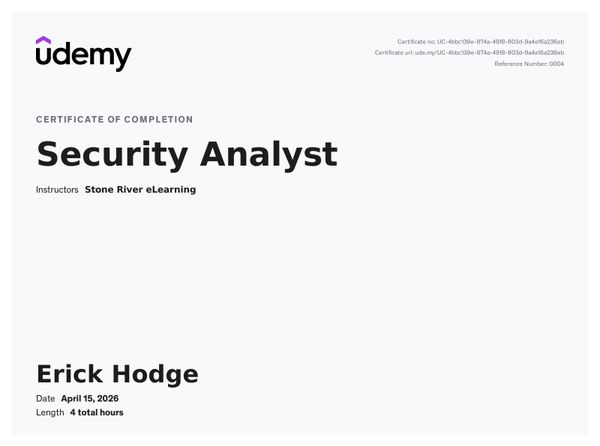
The more I learn, the more I realize cybersecurity isn’t just about tools or alerts — it’s also about documentation, communication, governance, and understanding how every operational task contributes to protecting an organization. Experiences like this continue to help me connect those dots and move closer toward my long-term goal of becoming a Security Analyst.
- Thanks to my Manager Mason Halliday for recommending I use the AI software.